- Ayub Tareen
- September 13, 2026
Minister says power outages beyond control; apologises for prolonged load-shedding
-

- Sadiq Khan
- April 16, 2026
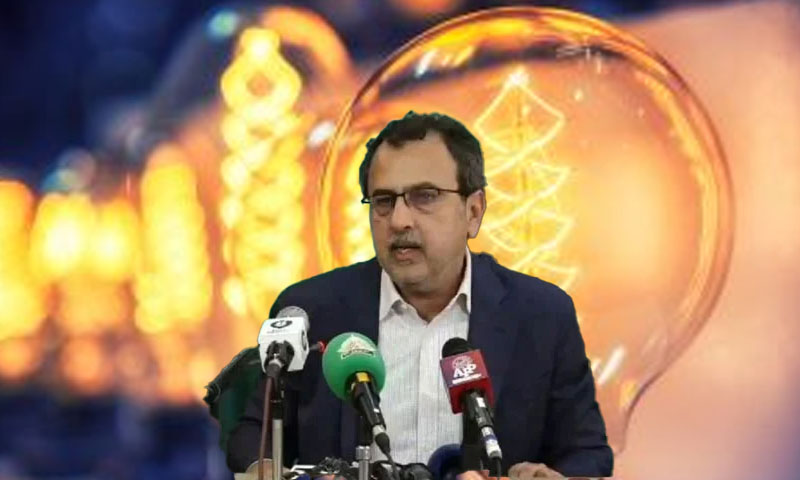
ISLAMABAD: Energy Minister Owais Leghari said on Thursday that ongoing power outages were largely beyond the government’s control, citing regional tensions and a shortfall in electricity generation, while apologising for load-shedding during peak hours.
“I want to present the facts about load-shedding to the public… the situation is such that much of it is not within our control,” Leghari said, adding that the government regretted outages during high-demand periods.
Addressing a press conference, he said Pakistan was facing challenges due to the broader regional situation, though he maintained that the country’s power conditions were “better compared to other countries”.
The minister said electricity generation from hydropower had dropped to 1,676 megawatts due to reduced water releases from dams, reflecting a shortfall of about 1,530 megawatts.
He added that gas-based power generation could not be increased during peak hours, while disruptions in imported gas supplies had further compounded the crisis.
Power generation from liquefied natural gas (LNG) plants has also declined sharply, with output at around 1,671 megawatts this April compared with about 3,000 megawatts in the same month last year, he said.
Leghari said daily electricity demand ranged between 15,000 and 20,000 megawatts in the first half of April.
He said no load-shedding was being carried out during daytime hours, but outages were being increased in line with demand, affecting both urban and rural areas as well as the industrial sector.
“Load-shedding has to be adjusted according to need,” he said.
The minister criticised what he described as “unverified propaganda” on social media regarding the power situation.
He added that electricity prices had been reduced over the past two years, which had contributed to increased demand.
Leghari said the government remained committed to improving the power sector, adding that Pakistan had been pulled “out of darkness” through recent reforms, though challenges persist.
You May Also Like

- WEB DESK
- September 13, 2026