- WEB DESK
- August 24, 2026
More than 500,000 bottles of blood pressure medication recalled over cancer risks
-

- WEB DESK
- October 31, 2025
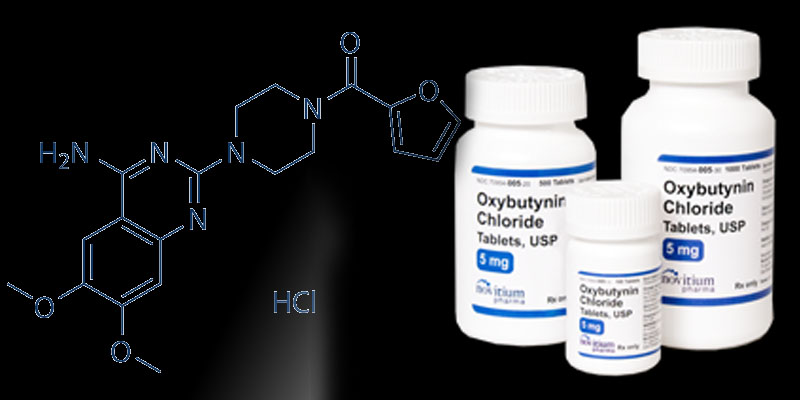
Teva Pharmaceuticals has issued a recall for more than half a million bottles of prazosin hydrochloride, due to the discovery of harmful impurities tied to cancer risk.
The said medication is a widely used for blood pressure and other conditions across the United States. The US Food and Drug Administration (FDA) classified this as a Class 2 recall, meaning that while the affected medication may pose a risk for temporary or reversible health issues, the likelihood of severe harm is low.
However, patients taking the recalled prazosin are advised to consult their healthcare providers before discontinuing the medication, as stopping it abruptly could pose more harm than continuing to take it.
The recall involves prazosin hydrochloride in 1 mg, 2 mg, and 5 mg dosages. The drug, an alpha-blocker, is also used off-label to treat benign prostate enlargement, PTSD-related nightmares, and a condition causing temporary skin discoloration from cold exposure.
Teva has not provided specific instructions on whether affected consumers should discard the medication, but patients are encouraged to check the lot number on their prescriptions to determine if they are impacted by the recall. If you’re unsure, your doctor or pharmacist can provide guidance.
The issue stems from the presence of N-nitrosamines, chemical compounds that can form during drug manufacturing or storage. These impurities are known to increase cancer risk when present above certain levels over prolonged periods. Though nitrosamines are naturally found in various foods and the environment, the FDA has set strict limits for their presence in medications.
While nitrosamines can pose a cancer risk at elevated levels, the FDA notes that taking prazosin with these impurities at or below the acceptable threshold for a lifetime of daily use is not expected to significantly increase cancer risk.
For more information or concerns, affected patients should reach out to their healthcare providers.
You May Also Like


- WEB DESK
- August 24, 2026