
- WEB DESK
- November 6, 2026
Nearly doubled in a decade: Pakistan’s external debt climbs to over $135bn
-

- Khurram Iqbal
- November 6, 2026
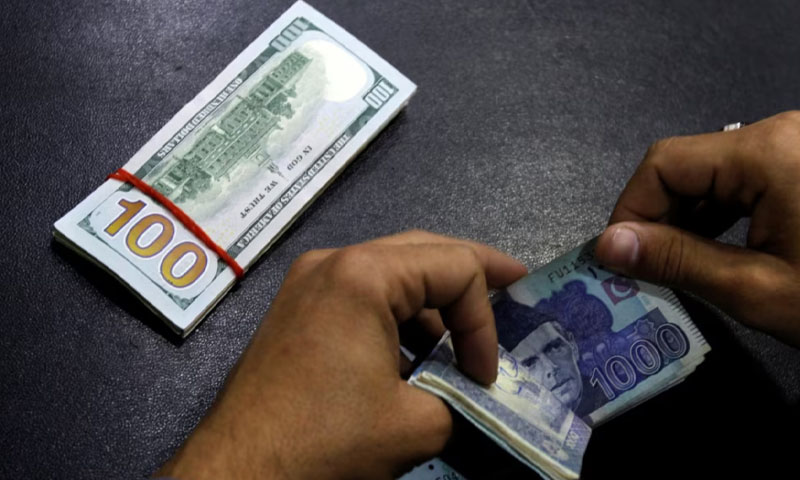
ISLAMABAD: Pakistan’s total external debt nearly doubled over the decade ending in 2025, rising from $68.67 billion in 2015 to $135.11 billion, according to the World Bank’s latest International Debt Report.
The World Bank’s 2026 International Debt Statistics show Pakistan’s external debt stock stood at $135.107 billion at the end of 2025, compared with $129.92 billion a year earlier and $68.67 billion in 2015.
Of the total, about $107.07 billion comprised public and publicly guaranteed obligations, while private-sector non-guaranteed external debt stood at $17.58 billion. Short-term external debt amounted to another $10.45 billion.
The figures underline the growing size of Pakistan’s external liabilities at a time when the country continues to rely heavily on multilateral and bilateral financing.
Multilateral institutions accounted for around $56.83 billion of Pakistan’s public and publicly guaranteed external debt, while bilateral creditors held about $42.43 billion. A further $7.8 billion was owed to private creditors.
China remained Pakistan’s largest individually identified creditor, with outstanding debt of around $22.4 billion.
The World Bank was the second-largest creditor, with approximately $19.2 billion outstanding, followed by the Asian Development Bank with $16.83 billion.
Private borrowing significantly more expensive
The report also highlighted the sharp difference between the cost and maturity of financing obtained from official institutions and private creditors.
New commitments from official creditors in 2025 carried an average interest rate of 3.6 percent, with an average maturity of around 16 years and a grace period of four years.
By comparison, borrowing from private creditors carried an average interest rate of 8.6 percent, with an average maturity of only three years and a grace period of about one year.
The figures refer to the average terms of new borrowing commitments made during 2025 rather than the terms attached to Pakistan’s entire outstanding external debt stock.
Pakistan’s external debt was equivalent to around 34 percent of gross national income in 2025, according to the World Bank data.
At the same time, the country’s external debt remained more than three times the value of its annual exports, highlighting the continued importance of export earnings and foreign exchange availability for managing external repayments.
The World Bank report also showed that China extended the maturity of $2 billion in loans to Pakistan during 2025.
Meanwhile, the International Monetary Fund provided around $2.3 billion in new disbursements under its Extended Fund Facility and Resilience and Sustainability Facility arrangements.
Regional debt ratio rises
The World Bank also reported a rise in external indebtedness across the wider Middle East, North Africa, Afghanistan and Pakistan region.
External debt in the region increased from about 26.7 percent of gross national income to 29.4 percent in 2025, even as some debt-service and interest indicators improved. The region’s total external debt stock reached about $598.24 billion in 2025, up from $565.6 billion a year earlier.
Globally, external debt across low- and middle-income countries rose 5.5 percent in 2025 to a record $9.4 trillion, marking the fastest annual increase since 2021.
The World Bank said private financing accounted for much of the increase as developing countries regained access to international capital markets, although borrowing costs remained elevated, particularly for more vulnerable economies.
For Pakistan, the latest figures show that while official creditors continue to provide substantially cheaper and longer-term financing than private lenders, the overall external debt stock has continued to expand, almost doubling over the past decade.
You May Also Like


- AFP
- November 6, 2026
Google sued over suicide-related AI chats on school computer


- Waqas Buneri
- November 6, 2026
