- WEB DESK
- September 14, 2026
Strait of Hormuz standoff deepens amid US pressure and Iran actions
-

- Sadiq Khan
- April 23, 2026
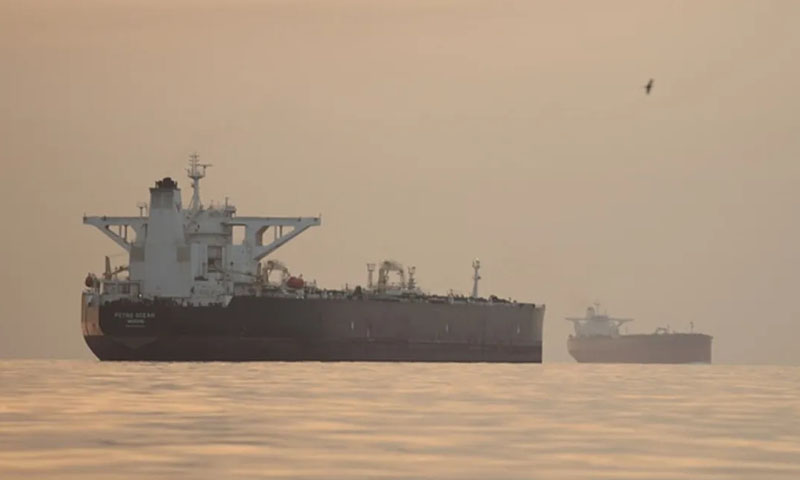
TEHRAN: The crisis in the Strait of Hormuz intensified on Thursday as the United States tightened its maritime blockade while Iran stepped up vessel seizures, following the collapse of US-backed peace talks.
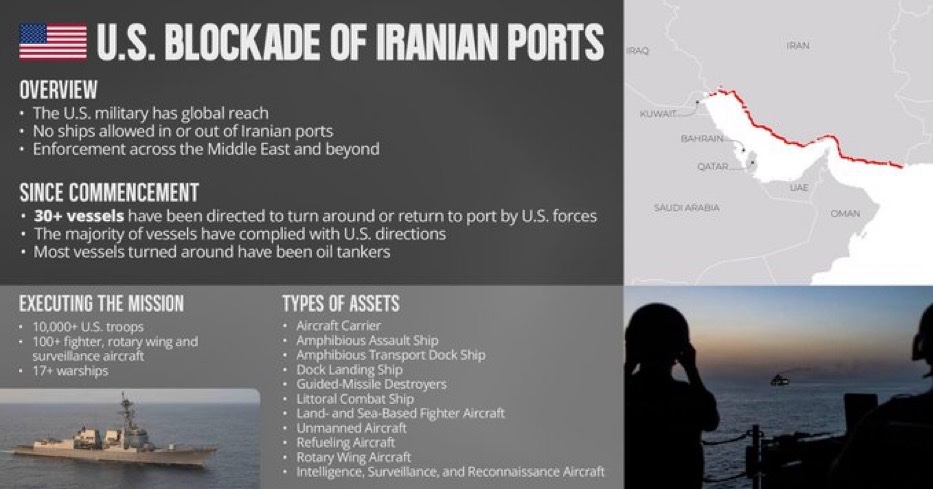
The United States Central Command (CENTCOM) said 31 vessels have been forced to return to Iranian ports or alter their routes since the blockade began, with most identified as oil tankers, showing a growing disruption to global energy supply lines.
White House Press Secretary Karoline Leavitt said the pressure campaign remains in place despite a pause in direct military strikes.
“There’s a ceasefire with the military and kinetic strikes, but Operation Economic Fury continues,” she said.
Iran escalates enforcement at sea
At the same time, Iran moved to assert tighter control over the strategic waterway. State media released footage showing armed commandos boarding the cargo ship MSC Francesca using speedboats and rope ladders.
Tehran said the vessel, along with another ship, was seized for allegedly attempting to pass through the strait without authorization.
The developments came just hours after diplomatic efforts to de-escalate tensions collapsed, leaving no agreement in place to stabilize one of the world’s most critical shipping corridors.
Shipping route under growing pressure
The Strait of Hormuz, through which nearly a fifth of global oil and liquefied natural gas supplies pass, has become increasingly volatile as both sides intensify their actions.
While Iran has increased maritime enforcement and detentions, the United States has also expanded naval activity, including action against a tanker in the Indian Ocean, signaling a widening scope of operations beyond the Gulf.
CENTCOM said most vessels have complied with US directives, turning back or diverting course to avoid confrontation.
Talks stall, uncertainty rises
Efforts to revive negotiations remain uncertain. A Pakistani government source said backchannel contacts are ongoing, but Iran is demanding an end to US maritime restrictions and the release of seized vessels before returning to talks.
No formal ceasefire extension or new negotiation schedule has been announced, leaving the region in a fragile “neither peace nor war” situation.
Global energy concerns mount
The escalating standoff has raised serious concerns over global trade and energy security. Oil prices have remained above $100 per barrel amid fears of prolonged disruption in the strait.
Analysts warn that continued instability in the waterway could have far-reaching consequences for global markets if diplomatic efforts fail to resume.