
- WEB DESK
- September 13, 2026
Tehran dismisses claims of Russian intelligence support as ‘Fabricated’
-

- Sadia Basharat
- April 20, 2026
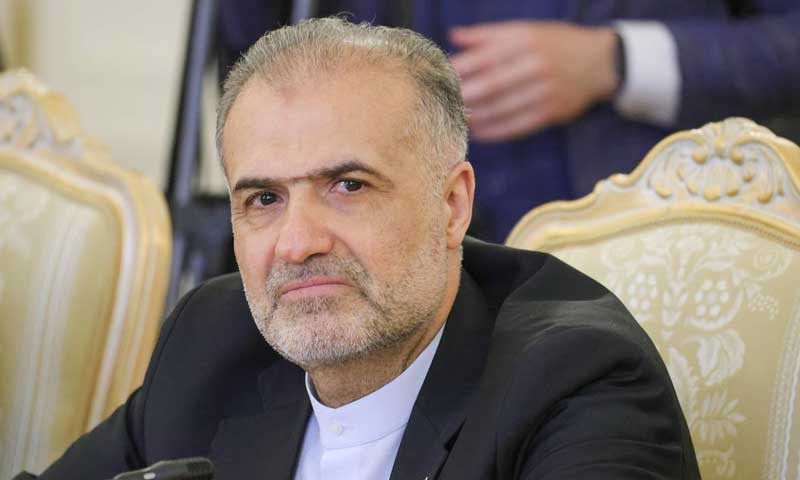
WEB DESK: Iran’s Ambassador to Russia, Kazem Jalali, has firmly rejected allegations that Moscow supplied Tehran with sensitive intelligence during recent military stand-offs.
Addressing the media in Moscow, the envoy described the reports as “purely baseless” and part of a wider misinformation campaign designed to cast doubt on Iran’s independent defensive capabilities.
The statement arrives at a critical juncture in the Middle East, where the evolving security partnership between the Kremlin and the Islamic Republic has drawn significant international concern and scrutiny from Western intelligence agencies, according to Al Jazeera.
Preserving strategic independence
In his remarks, Ambassador Jalali suggested that the narrative of Russian assistance is a deliberate attempt to detract from the technological advancements made by Iran’s own military industry.
He maintained that the successful detection and neutralisation of recent threats were achieved solely through domestic expertise and sovereign hardware.
By publicly distancing Tehran from reliance on Russian data, the Ambassador aims to reinforce the image of the Islamic Republic as a self-sufficient regional power.
Diplomatic observers note that such denials are a standard feature of the bilateral relationship, which often operates under a veil of strategic ambiguity to avoid further international sanctions.
An institutionalised alliance
While the Ambassador was quick to debunk specific claims of intelligence sharing, he was equally vocal about the “unstoppable momentum” of the broader Russo-Iranian alliance.
He confirmed that the two nations are on the verge of signing a landmark long-term cooperation treaty, which is expected to codify joint ventures in satellite communications and maritime security.
This suggests that while the two capitals may deny tactical-level collusion on specific operations, the structural integration of their defense and security apparatus is continuing at pace.
The denial, therefore, appears less a sign of friction and more a tactical move to manage global diplomatic fallout.
You May Also Like
- Reuters
- September 13, 2026
Carney pushes idea of making Canada ‘associate member’ of EU
- WEB DESK
- September 13, 2026
Scotland, Wales and Northern Ireland unite over independence push
- Reuters
- September 13, 2026