- Reuters
- October 6, 2026
US, Iran negotiations in final stages however Trump warns of attacks if deal fails
-

- Sadiq Khan
- May 20, 2026
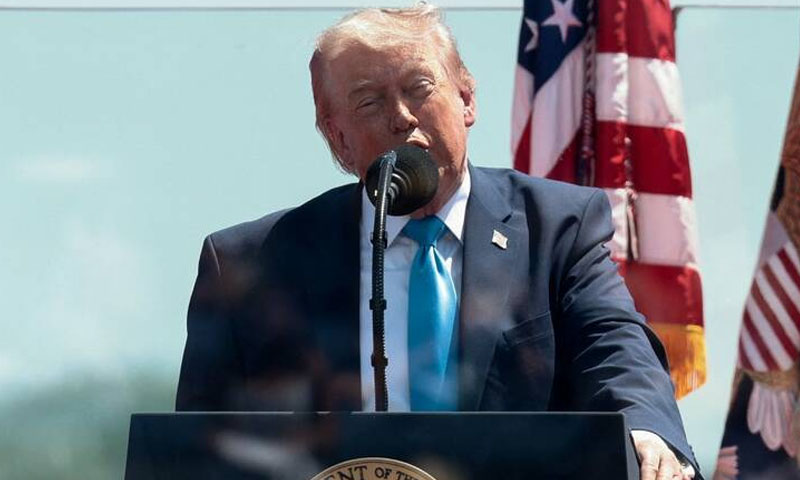
WASHINGTON: US President Donald Trump on Wednesday said negotiations with Iran were in their “final stages,” while warning Tehran of further military action if a peace agreement is not reached.
Nearly six weeks after Trump paused Operation Epic Fury under a ceasefire arrangement, efforts to formally end the conflict have made little progress. Trump revealed he had recently come close to authorising fresh strikes on Iran but decided to delay military action to allow diplomacy more time.
“We’re in the final stages with Iran. Either we have a deal or we’re going to do some things that are a little nasty,” Trump told reporters, adding that he preferred a peaceful resolution over more casualties.
Addressing cadets later at the US Coast Guard Academy, Trump repeated that Washington could “hit them very hard” if needed, while reiterating that the United States would not allow Iran to develop a nuclear weapon.
Iran, meanwhile, accused Trump of preparing to restart the war and warned that any renewed attacks would trigger retaliation beyond the Middle East. The Islamic Revolutionary Guard Corps said any new aggression against Iran would expand the conflict outside the region.
Iranian Parliament Speaker Mohammad Baqer Qalibaf claimed recent American actions indicated preparations for further strikes.
Foreign Ministry spokesman Esmaeil Baghaei also accused Washington of “piracy” over the US blockade of Iranian ports, but said Tehran was still pursuing negotiations despite “serious suspicions” regarding American intentions.
Pakistan has continued playing a mediation role between the two sides. Iranian officials confirmed that messages between Washington and Tehran were still being exchanged through Pakistan’s interior minister, who visited Tehran on Wednesday.
Iran recently submitted a new proposal to the United States, reportedly repeating earlier demands including sanctions relief, compensation for war damages, the release of frozen Iranian assets, withdrawal of US forces from the region, and control-related arrangements concerning the Strait of Hormuz.
Tensions around the Strait of Hormuz remain high after Iran restricted access to most foreign vessels during the conflict, severely disrupting global energy supplies. Tehran has indicated it may reopen the strategic waterway for friendly nations under specific conditions.
Two Chinese oil tankers carrying nearly four million barrels of crude passed through the strait on Wednesday after Iran eased restrictions on Chinese shipping. South Korea also confirmed one of its tankers was crossing the route in coordination with Iranian authorities.
Oil markets reacted positively to renewed hopes for diplomacy, with Brent crude prices falling nearly five percent on Wednesday.
Trump is facing growing domestic pressure to permanently end the conflict as high global oil prices continue affecting the US economy ahead of congressional elections later this year.
The US-Israeli military campaign against Iran, launched earlier this year alongside Benjamin Netanyahu, aimed to curb Tehran’s regional influence, dismantle its nuclear programme and weaken its missile capabilities. However, Iran is still believed to retain significant uranium stockpiles and regional military influence despite months of conflict.