

- Reuters
- September 16, 2026
Search called off for two Nepalis caught in Annapurna avalanche
-

- AFP
- April 12, 2025
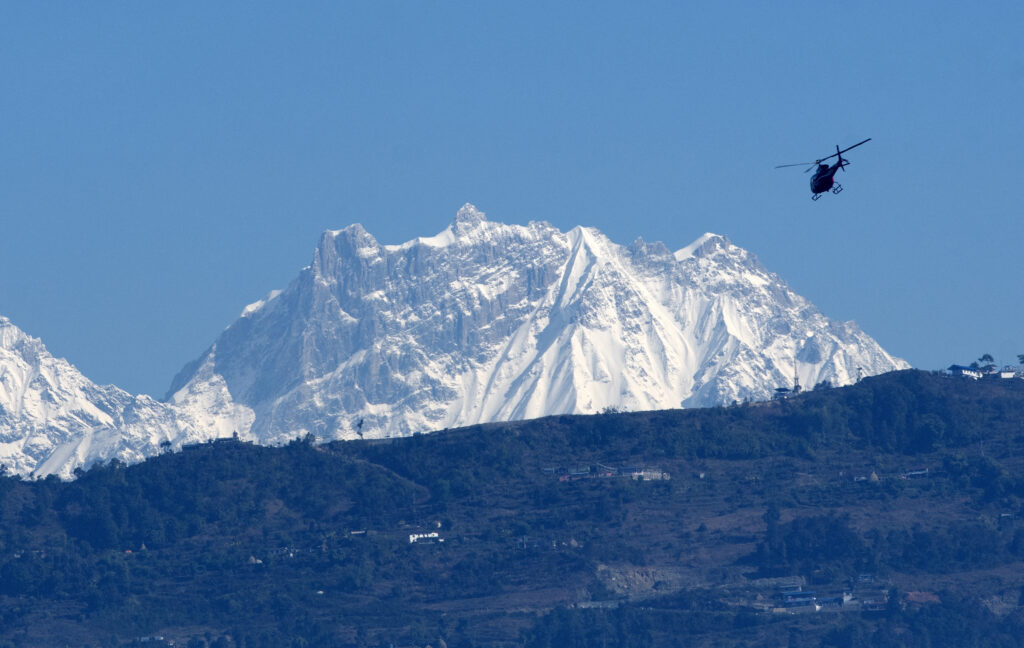
POKHARA: The search for two missing Nepali climbers has been called off, the expedition organiser said Saturday, five days after they were swept away by a powerful avalanche on Annapurna, the world’s 10th highest mountain.
The 8,091-metre (26,545-foot) Annapurna is a dangerous and difficult climb, and the avalanche-prone Himalayan peak has a higher death rate than Everest.
Two experienced mountain guides, Ngima Tashi Sherpa and Rima Rinje Sherpa, were ferrying oxygen cylinders for a later summit push when a huge avalanche swept down on Monday.
“The search has been called off. We tried to search for them from the ground and through aerial searches but could not find them,” Mingma Sherpa, chairman of the Seven Summit Treks expedition company, told AFP.
Two helicopters and five climbers were deployed in the operation.
Also read: US envoy Witkoff meets Putin as Trump tells Moscow to ‘get moving’ on Ukraine
“It is no longer possible for anyone to survive under such snow and ice, and continuing the search would endanger more lives,” Seven Summit Treks posted on Instagram late Friday, announcing the suspension.
“We have lost two of our finest guides.”
Nepal is home to eight of the world’s 10 highest peaks and welcomes hundreds of adventurers each spring, when temperatures are warm and winds are typically calm.
Nearly 500 climbers have been issued permits for the season, including 66 for Annapurna.
Avalanches and landslides are common in the upper reaches of the Himalayas, especially during the winter season.
Scientists have said that climate change spurred by humans burning fossil fuels is making weather events more severe, super-charged by warmer oceans.
Also read: Scorching Coachella kicks off as Lady Gaga set to helm main stage