
- Reuters
- September 15, 2026
12 years on: lawyer Rashid Rehman Khan’s killing still haunts blasphemy case legacy
-

- Zoya Anwer
- May 7, 2026
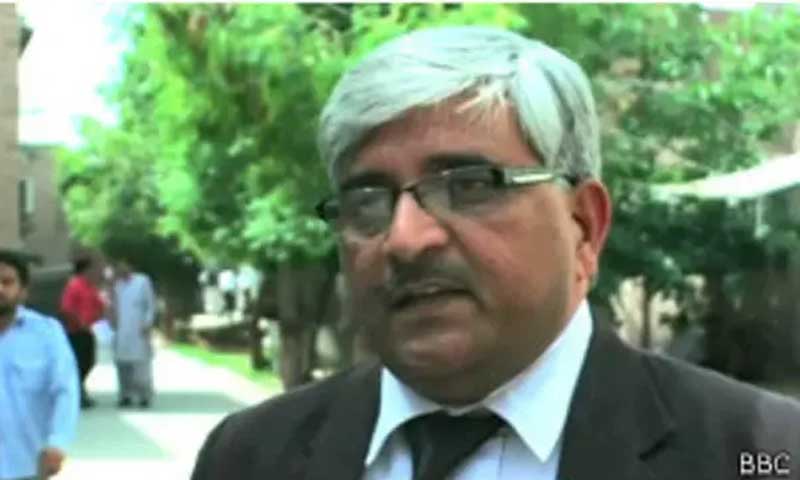
On May 7, 2014, prominent human rights lawyer Rashid Rehman Khan was shot dead inside his office in Multan in what rights organisations described as a targeted assassination following months of escalating threats linked to his legal work on a blasphemy case.
Rehman, who also served as a regional coordinator for the Human Rights Commission of Pakistan, was attacked by two armed men who entered his chamber on Kutchery Road and opened fire. He died on the way to hospital, while his colleagues, lawyers Nadeem Parvaz and Fazal Baloch, were also injured in the attack. The gunmen escaped.
He had been representing university lecturer Junaid Hafeez, a high-profile accused in a blasphemy case at Bahauddin Zakariya University, a case considered highly sensitive in Pakistan’s legal and religious landscape.
Repeated threats inside courtrooms and formal complaints ignored
According to detailed accounts by human rights monitors, Rehman had repeatedly warned authorities that he was being threatened because of his legal representation in the case. In April 2014, he reportedly faced direct death threats inside a courtroom during proceedings, where individuals allegedly told him he “would not exist anymore” if he continued the case.
Despite raising alarms with bar associations, police officials and provincial authorities, no protective measures were put in place. Human rights documentation later noted that formal complaints sent by Rehman and fellow lawyers were not acted upon, and no preventive security was provided despite the seriousness of the threats.
The case was already under intense pressure, as earlier lawyers involved in defending the accused had withdrawn after receiving threats from extremist elements, leaving Rehman as one of the few willing to continue representation.
Assassination condemned amid wider concerns over impunity
Following his killing, human rights organisations, including the HRCP and international rights monitors, strongly condemned the attack, calling it part of a broader pattern of violence against lawyers and activists challenging the misuse of Pakistan’s blasphemy laws.
Investigators initially treated the killing as a targeted attack, but rights groups criticised the slow pace of progress in identifying and prosecuting those responsible. Reports at the time noted that despite awareness of prior threats, authorities had failed to register cases against individuals who had openly intimidated Rehman.
Human rights observers also highlighted a wider climate of fear, noting that several HRCP members had been killed in preceding years and that most such cases remained unresolved.
They urged the state to conduct a transparent and independent investigation, provide protection to human rights defenders, and ensure accountability for those involved in threats and violence.
Twelve years later, a case symbolising risk to defenders
Twelve years on, the assassination of Rashid Rehman Khan remains a defining example of the dangers faced by human rights defenders in Pakistan, particularly those involved in blasphemy-related cases, where legal advocacy has often come at significant personal risk.
You May Also Like


- WEB DESK
- September 15, 2026
Petrol price rises by Rs4.10, diesel by Rs6.41 per litre
- Reuters
- September 15, 2026
Samson, Reddy lead India to series-clinching win over Afghanistan

- WEB DESK
- September 15, 2026
