- Muhammad Faizan Khan
- August 26, 2026
“I thought he could fix what hurt me,” Fatima Bhutto speaks up on abuse
-

- WEB DESK
- February 3, 2026
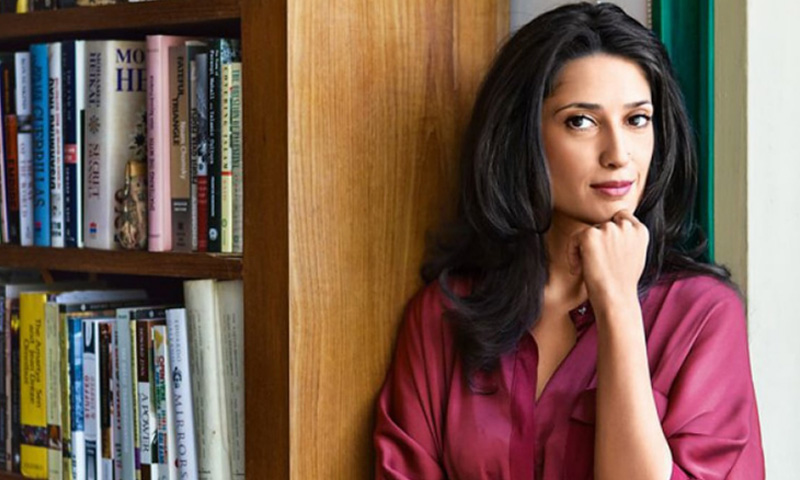
Fifteen years after challenging Pakistan’s most powerful political dynasty with her debut memoir, writer and activist Fatima Bhutto is returning to the public eye with a markedly different kind of reckoning – one that shifts the conversation from political legacy to personal survival.
Her forthcoming book, The Hour of the Wolf, marks the first time Bhutto has spoken openly about a decade-long relationship she describes as emotionally abusive and coercive, an experience she says unfolded quietly alongside her highly visible literary and public life.
Unlike her earlier work, which interrogated the Bhutto family’s history and power, the new memoir turns inward. Bhutto recounts how a relationship that began in 2011, during a book tour in New York, slowly became defined by control, humiliation and isolation – dynamics she says were masked by intermittent affection and the illusion of love.
In interviews ahead of the book’s release, Bhutto said writing the memoir was initially something she resisted, weighed down by shame and embarrassment. She ultimately chose to publish it, she said, because she believed the account could help others recognise patterns of abuse that often go unacknowledged, particularly when they are non-physical.
The relationship, which lasted more than a decade and remained largely long-distance, coincided with a period of professional success. Bhutto continued writing novels and essays, travelling extensively and appearing at literary festivals worldwide. Yet she describes a private life increasingly narrowed by her partner’s behaviour – marked by verbal cruelty, public belittlement and prolonged emotional withdrawal.
Bhutto writes that the man, whom she identifies only as “The Man,” discouraged normal social ties and insisted on secrecy, a dynamic she later recognised as a form of control. She has said the relationship ended in 2021, when she realised that her hopes of stability and family would never be met.
The memoir also places her experience within a broader context of inherited trauma. As the daughter of slain politician Murtaza Bhutto and the granddaughter of former prime minister Zulfikar Ali Bhutto, she grew up amid political violence, exile and constant security fears – conditions she believes shaped her tolerance for secrecy and emotional endurance.
Bhutto has said that a childhood defined by sudden displacement and the normalisation of danger blurred her sense of what constituted harm later in life. In that sense, The Hour of the Wolf does not just chronicle an abusive relationship, but examines how personal vulnerability can intersect with political history.
Since leaving the relationship, Bhutto’s life has taken a dramatic turn. She married in 2022 and became a mother of two within three years, a transition she has described as both grounding and transformative. While she continues to guard details of her family’s location for security reasons, she has spoken about the contrast between her earlier transience and her current desire for rootedness.
The memoir arrives at a moment when Bhutto’s public engagement has increasingly centred on global justice issues rather than Pakistani politics. Over the past two years, she has been a prominent voice highlighting the humanitarian crisis in Gaza and edited a collection of essays on the subject published in late 2025.
Despite her lineage, Bhutto has repeatedly distanced herself from electoral politics, saying her family history has left her wary of power rather than drawn to it. Writing, she maintains, remains her primary form of resistance and witness.
Publishers describe The Hour of the Wolf as a stark departure from traditional survivor narratives, notable for its restraint and clarity rather than sensationalism. For Bhutto, the book represents less a confession than an intervention – a challenge to the idea that intelligence, status or resilience offer protection from abuse.
As she re-enters public discussion with this deeply personal work, Bhutto appears intent on reshaping how strength is understood – not as endurance at any cost, but as the courage to name harm and walk away.
You May Also Like

- Reuters
- August 25, 2026