
- Saba Bajeer
- October 5, 2026
‘The Boys’ backlash feels familiar: Why are TV endings so hard to get right?
-

- WEB DESK
- May 20, 2026
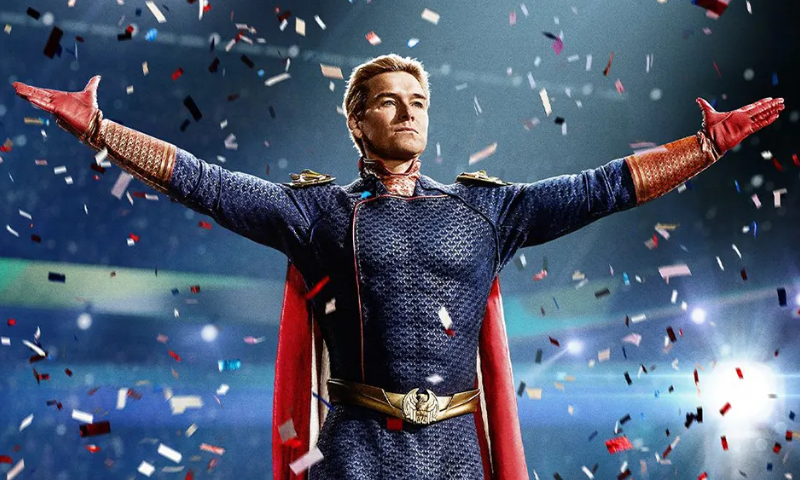
For years, The Boys trained audiences to expect chaos.
Power corrupted. Institutions failed. Villains escaped consequences. With every season, The Boys taught audiences to expect one thing: when the ending finally came, it would not play fair.
So when the finale dropped, some viewers were left asking a familiar question:
After all that… was that it?
Within hours of release, social media filled with mixed reactions. While many viewers praised performances and emotional beats, others argued the payoff felt smaller than expected, with some saying the finale played more like a standard episode than the ending of one of television’s biggest anti-superhero dramas.
Without diving into spoilers, one criticism surfaced repeatedly: the payoff did not feel big enough for the buildup.
And that may point to something bigger than one divisive finale.
Fans are rarely judging one episode. By the finale, they are judging years of anticipation.
By the time a blockbuster show reaches its ending, audiences are carrying fan theories, emotional investment and imagined outcomes. Sometimes the hardest thing for a finale to compete with is the ending audiences built in their heads.
That may explain why the finale carried unusually high expectations. For a show that spent years raising the stakes, many viewers were not waiting for closure. They were waiting for something unforgettable.
This was never a world that promised a neat resolution.
After five seasons of escalation, many fans were not waiting for something tidy. They were waiting for consequences to feel enormous. Some may even have imagined a darker ending, moral ambiguity or the possibility that the villain might actually win.
That feeling of expectation is where comparisons to Game of Thrones start to feel emotionally familiar.
The backlash to Game of Thrones was never only about one episode. For years, the series built the White Walkers and the Night King into an almost mythic threat. “Winter is coming” became one of television’s defining promises, only for many viewers to feel the conflict resolved more quickly and abruptly than years of buildup had suggested.
The stories are very different, but the emotional reaction feels recognisable: when audiences spend years building a final conflict into something enormous, even a decent ending can struggle to feel big enough.
Television history suggests there is no perfect formula. Game of Thrones struggled under the weight of expectation. How I Met Your Mother alienated viewers with a final twist many felt betrayed years of investment, while Dexter’s original ending became so infamous the franchise later returned for another attempt. By contrast, Breaking Bad and Succession are often praised because their finales felt emotionally faithful to the stories they had been telling all along.
Whether The Boys eventually becomes remembered as a finale fans soften on or one that joins television’s more divisive endings remains to be seen.
For a show that spent years promising chaos, perhaps the hardest thing to deliver was an ending that felt big enough to match it.